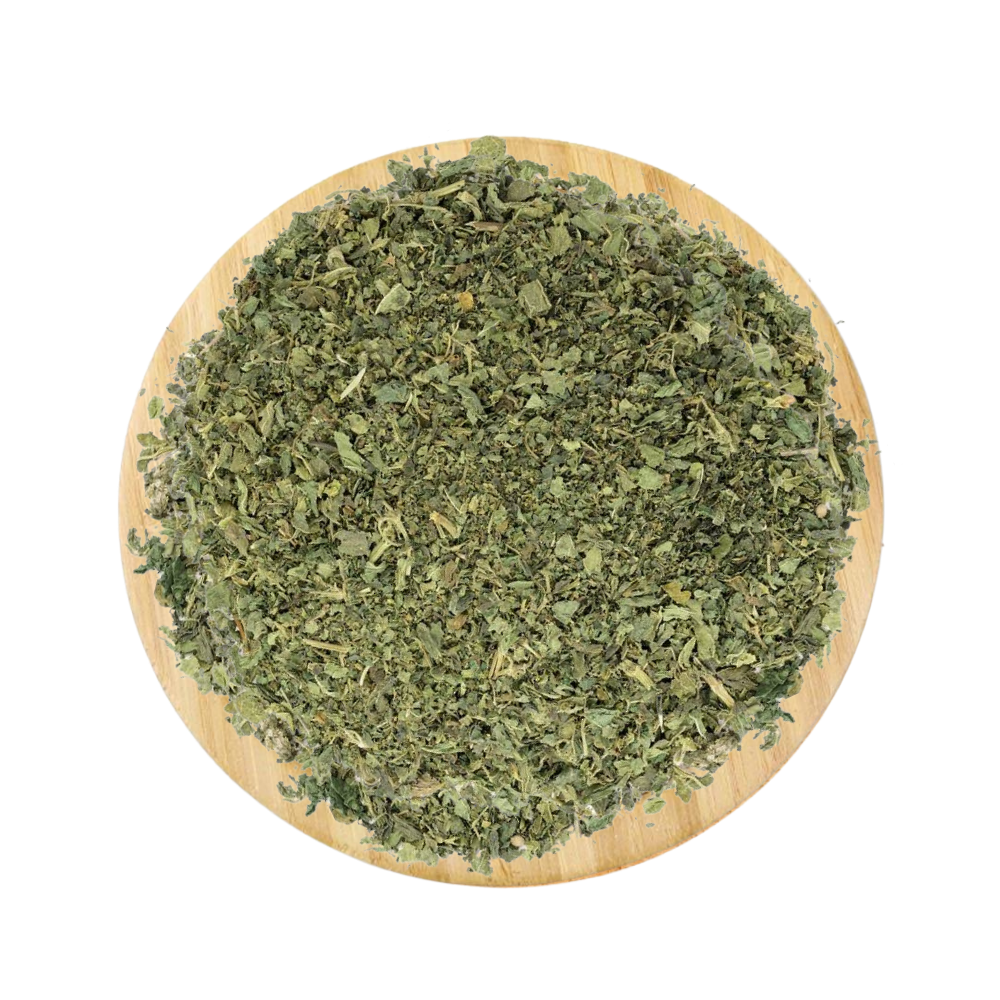
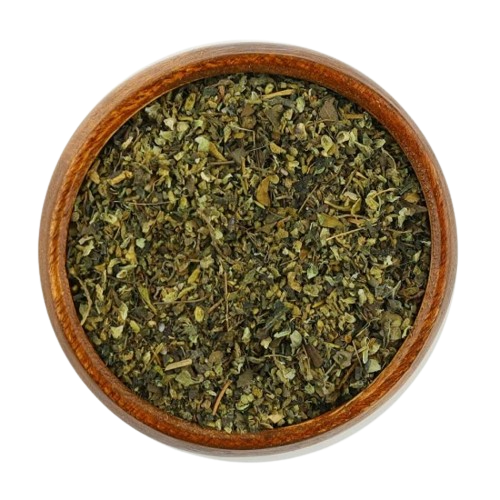
Nettle grows in moist, fertile areas and is one of the first herbs to bloom in the spring. It has healing properties. When the nettle leaves are dried or cooked, they become a wonderful food suitable for many diets. Nettle can be prepared as a delicious tea.
Benefits of nettle
- Treating intestinal infections: It can be used against chronic diseases such as ulcerative colitis and Crohn's disease (chronic inflammation of the intestines).
- Treatment for rheumatism and arthritis.
- Treating urinary tract problems: Especially nettle tea is useful against kidney problems, cystitis, stones, and irritation of the ureters.
- Preventing prostate tumors: Nettle root extract works as an anti-health substance resulting from benign prostatic hyperplasia, and it also has an inhibitory effect on the growth of cancer cells in the prostate.
- Lowering blood pressure and preventing blood clots: Nettle leaf tea lowers blood pressure. It also delays excessive blood clotting, meaning it makes the blood “thin” and thus helps prevent blood clots.
- Strengthening the immune system: Nettle strengthens the body's defense mechanism by supporting a type of immune cells called T-lymphocytes.
- It also stimulates the activity of "giant" cells that phagocytose germs. Nettle is useful as a drink and as a food during times of increased risk of infectious diseases.
- Sexual stimulation and more vitality: Eating the seeds of this herb increases vitality, sexual strength, sexual desire, and milk production in breastfeeding mothers, as it is rich in vital and mineral substances. In addition, it is considered an antioxidant and has a strong ability to protect the liver.
- Prevents hair loss: It promotes hair growth and makes it thick and shiny, not only in humans, but also in horses and ponies, and the leaves of this plant are found in anti-hair loss preparations.