
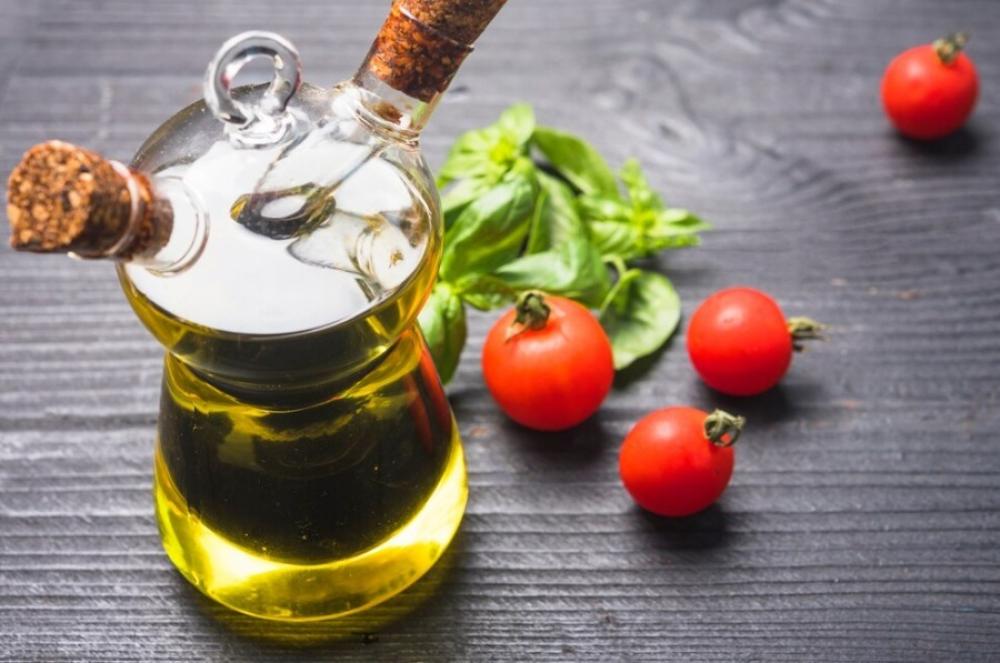

Oils are a gift from nature that offer us a variety of countless health and beauty benefits. They have always been an integral part of people’s cultures since ancient times, as they have been used in traditional medicine, cooking, and skin and hair care. These oils are distinguished by their superior ability to improve overall health thanks to their components rich in essential nutrients, vitamins, and minerals. From olive oil, famous for its antioxidant and anti-inflammatory properties, to coconut oil, which is considered an effective moisturizer for the skin and hair, there are many types and uses to suit all needs.
The use of types of oils and their benefits for the body are not limited to physical health only, but also extend to mental health. Many essential oils such as lavender oil and peppermint oil are used in aromatherapy to relieve stress and anxiety and improve mood. With the spread of awareness of the importance of natural and alternative treatments, the popularity of these oils and their uses in daily life has increased.
Essential Oils: What Are They and How to Use Them?
What are essential oils?
Oils are concentrated plant extracts that are widely used in traditional medicine and alternative therapies thanks to their many health benefits. These oils are extracted from different parts of plants such as leaves, flowers, roots and seeds and contain natural compounds that give them their unique aroma and therapeutic properties.
How to use essential oils
Essential oils can be used in many ways to benefit from their health and cosmetic benefits. The most prominent of these methods are:
Inhalation:
• Direct inhalation: A few drops of essential oil can be placed on a clean tissue or cloth and the scent can be inhaled.
• Steam: Add a few drops of essential oil to hot water and inhale the rising steam, which helps relieve congestion and improve breathing.
Topical application:
• Dilution with carrier oil: Essential oils should be diluted with a carrier oil such as coconut oil or natural olive oil before applying them directly to the skin. They can be used in massage or as a skin moisturizer.
• Compresses: Soak a cloth in a mixture of warm water and a few drops of essential oil, and apply to the affected area to relieve pain or inflammation.
Aromatherapy:
• Diffusers: These are used to spread the scent of essential oils into the air, creating a calming and stimulating environment for mental health.
• Candles and essential oils: Add a few drops of essential oil to candles or oil lamps to scent the air and improve the mood.
Personal care:
• Aromatic baths: Add a few drops of essential oil to the bath water for a soothing and refreshing effect.
• Shampoo and conditioner: Drops of essential oils can be added to hair care products to enhance their health and shine.
Tips for using oils and taking advantage of their many benefits
• Proper dilution: Essential oils are very potent and should always be diluted before topical use to avoid skin irritation.
• Allergy test: Before using a new oil, it is preferable to perform an allergy test by applying a small amount of it to a small part of the skin and monitoring any negative reactions.
• Avoid contact with eyes and mucous membranes: Essential oils can be irritating if they come into contact with eyes or mucous membranes.
• Consult a specialist: If you are pregnant or suffer from a special medical condition, it is preferable to consult a doctor or aromatherapist before using essential oils.
Essential oils are an effective and natural tool for health and beauty care, but it is essential to use them with caution and according to instructions to ensure the best results safely.
Types of natural oils and their benefits for the body
1. Olive oil:
Health benefits:
• It is considered one of the types of natural oils and its benefits are that it contains a high percentage of monounsaturated fats, which help reduce levels of harmful cholesterol (LDL) and increase good cholesterol (HDL).
• Rich in antioxidants such as Vitamin E, which fights inflammation and reduces the risk of chronic diseases.
• Helps improve digestion and support digestive health.
Benefits for the body:
• Moisturizes the skin and improves its elasticity, making it ideal for reducing signs of aging.
• It enhances the health of the scalp and hair, giving it shine and strength.
2. Coconut oil:
Health benefits:
• Coconut oil is one of the oils that contain medium-chain fatty acids (MCTs) that boost metabolism and increase fat burning.
• It has antibacterial and antiviral properties that boost the immune system.
Benefits for the body:
• It works as a natural moisturizer for the skin and is used in treating skin diseases such as eczema and psoriasis.
• Improves hair health, reduces breakage and promotes hair growth.
3. Argan oil:
Health benefits:
• It is considered one of the natural oils, rich in Vitamin E and essential fatty acids that promote heart health and reduce inflammation in the body.
• Helps improve skin elasticity and promote wound healing.
Benefits for the body:
• Deeply moisturizes the skin and reduces the appearance of wrinkles and fine lines.
• Enhances hair health and gives it natural softness and shine.
4. Sweet almond oil:
Health benefits:
• It is considered one of the types of natural oils and its benefits are that it contains vitamins A and E, which support the health of the skin and eyes.
• Helps improve digestion and reduce digestive problems.
Benefits for the body:
• Almond oil is one of the types of oils that moisturize the skin and work to soothe skin inflammation and sunburn.
• Strengthens nails and improves their appearance and health.
5. Jojoba oil:
Health benefits:
• It is considered a type of natural oil, and it resembles the natural oil produced by the skin, which makes it suitable for all skin types.
• It contains antibacterial and anti-inflammatory properties that help treat acne.
Benefits for the body:
• Deeply moisturizes the skin, balances sebum production and helps reduce oily skin problems.
• It is used as a natural treatment for dandruff and to moisturize the scalp.
6. Flaxseed oil:
Health benefits:
• It is considered one of the types of natural oils and its benefits are that it is rich in omega-3 fatty acids that support heart health and reduce inflammation in the body.
• Helps improve digestive health and reduce colon problems.
Benefits for the body:
• Promotes skin health and reduces skin inflammation and dryness.
• Strengthens hair and improves its growth and shine.
7. Lavender oil:
Health benefits:
• It helps improve sleep and reduce insomnia thanks to its calming effect.
• It has anti-inflammatory and antioxidant properties that promote overall health.
Benefits for the body:
• Soothes irritated skin and improves the appearance of scars and wounds.
• It enhances hair health, prevents hair loss and leaves it with a fresh scent.
8. Indian herbal oil:
• Indian herbal oil contains a blend of natural oils and herbs that nourish and moisturize the hair, improving its appearance and texture.
• The oil contains ingredients that enhance hair strength and stimulate its growth.
• The anti-inflammatory and antiseptic properties in the oil improve scalp health and reduce dandruff and irritation.
• The oil strengthens hair and reduces hair loss.
• The natural oils in the oil add shine and softness to the hair to enhance its beauty.
How to use natural body oils
• Massage: Natural oils can be used in massage sessions to relieve tension and improve blood circulation.
• Bathing: Adding a few drops of essential oils to the bath water moisturizes and refreshes the body.
• Skin and hair care: Oils can be used as natural moisturizers for the skin and hair and combined with daily care products.
• Aromatherapy: Using essential oils in diffusers to enhance mental and physical health.
Oils are an excellent choice for supporting overall health and beauty, and providing the necessary care for the body in a natural and safe way.
Types of vegetable oils and their extraction
Vegetable oils are extracted from plants and are widely used in cooking, natural medicine and personal care. These oils differ in their chemical composition and nutritional content, which distinguishes them with various health and cosmetic benefits.
1. Olive oil:
• Extraction: It is considered a type of vegetable oil, and olive oil is extracted by pressing the olive fruits. There are different methods of extraction, including cold pressing and hot pressing, as cold pressing is considered the best for preserving the quality of the oil and its nutritional content.
• Uses: It is used in cooking, especially in salads and low-heat cooking. It is also used for skin and hair care.
2. Coconut oil:
• Extraction: It is extracted from the meat of the coconut fruit. It can be extracted using traditional or mechanical methods. Cold extraction is usually preferred to preserve its health benefits.
• Uses: It is used in cooking, especially in high-temperature cooking, and it is also used as a natural moisturizer for the skin and hair.
3. Argan oil:
• Extraction: It is extracted from the kernels of the argan tree that grows in Morocco. The extraction process is done by cold pressing to preserve the nutrients.
• Uses: It is mainly used in skin and hair care and has multiple cosmetic benefits.
4. Sweet almond oil:
• Extraction: It is extracted from almonds. The extraction process is usually done by cold pressing to preserve the quality and nutritional properties.
• Uses: It is used to moisturize the skin and treat skin infections. It is also used in massage and hair care.
5. Jojoba oil:
• Extraction: It is extracted from the seeds of the jojoba plant. It is extracted by cold pressing and is similar to the natural oil produced by the skin.
• Uses: It is used to moisturize the skin and treat acne. It is also used for hair care and reducing dandruff.
6. Flaxseed oil:
• Extraction: It is extracted from flax seeds. Extraction is usually done by cold pressing to preserve its content of omega-3 fatty acids.
• Uses: Flaxseed oil is used in cold cooking such as adding it to salads, and it is also used as a nutritional supplement to improve general health.
7. Sunflower oil:
• Extraction: It is extracted from sunflower seeds. Extraction is usually done by cold or hot pressing, but cold pressing is preferred to preserve the nutrients.
• Uses: It is used in cooking and baking, and is also used in cosmetics to moisturize the skin.
Methods of extracting vegetable oils
Cold age:
• The plants or seeds are pressed to extract the oil without using heat.
• Preserves nutrients and natural flavour.
• Suitable for oils used in cold cooking and personal care.
Hot age:
• It is one of the methods of extracting vegetable oils, where the plants or seeds are heated before pressing to extract the oil.
• It can increase the amount of oil extracted but may reduce the quality of nutrients.
• It is often used in oils used for cooking at high temperatures.
Solvent extraction:
• Chemical solvents are used to extract oil from plants or seeds.
• This is followed by a purification process to remove solvents.
• It can produce oil in larger quantities but may affect the quality and purity.
Health and Environmental Considerations
• Organic oils: It is preferable to use oils extracted from organic ingredients to ensure that they are free of pesticides and harmful chemicals.
• Storage: Vegetable oils should be stored in a cool, dark place to maintain their quality and prevent oxidation.
• Consumption: It is preferable to use oils extracted in natural and virgin ways due to their high content of nutrients and antioxidants.
Vegetable oils are a healthy and versatile option and can be used in a variety of ways to enhance health and beauty.
Oils are one of the treasures that nature offers us, carrying countless benefits for health and beauty. Whether you are looking for an oil to moisturize your skin, improve the health of your hair, or enhance your overall health, the store offers you a wide and varied range of pure natural oils.