
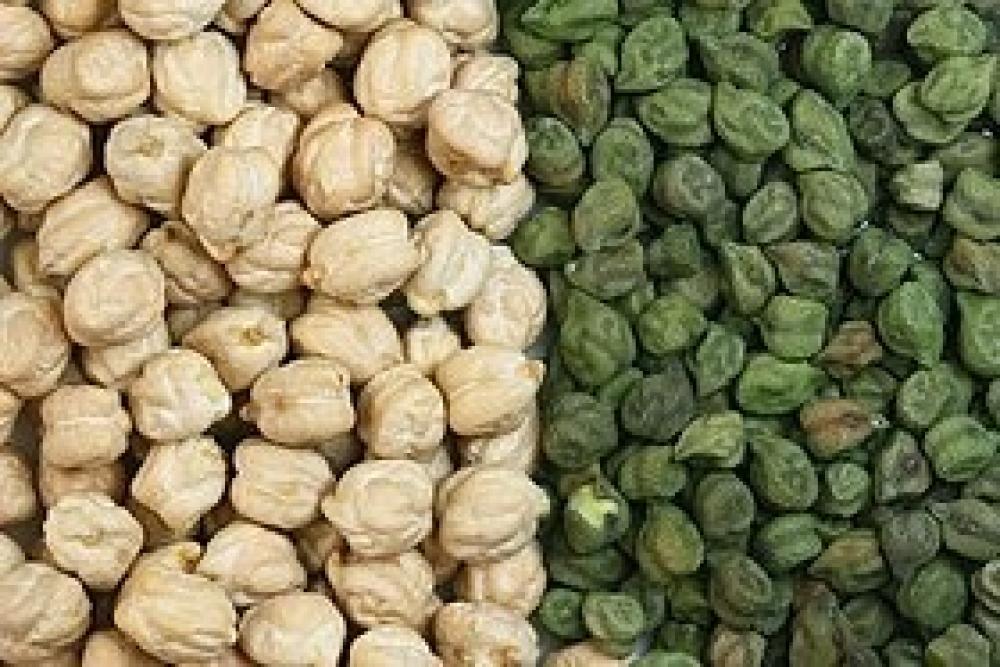

How do you balance the benefits and harms of chickpeas?
Chickpeas; a popular and beloved plant in various cultures and cuisines around the world, are famous for their many nutritional benefits that make them an ideal choice for people seeking to maintain their health and balanced nutrition. Chickpeas have many health benefits, including their richness in proteins, fiber, vitamins and minerals, which makes them a valuable addition to anyone's diet. However, as is the case with many other foods, overeating or consuming them in unhealthy ways can lead to some side effects and health problems, so we will mention to you the benefits and harms of chickpeas in detail.
Benefits and harms of chickpeas
What are the benefits of chickpeas?
• Rich in protein: Chickpeas are an excellent source of plant-based proteins, making them a great choice for vegetarians and people looking to boost the protein content of their diet.
• Rich in fiber: Chickpeas contain a high percentage of dietary fiber, which helps promote digestive health, prevents constipation, and keeps you feeling full for longer.
• Improving blood sugar levels: Chickpeas have a low glycemic index, which means they help regulate blood sugar levels and prevent sharp spikes and drops, making them a suitable choice for diabetics.
• Supporting heart health: Chickpeas contain antioxidants, fiber, and minerals such as magnesium and potassium, which contribute to improving heart health and lowering harmful cholesterol levels in the body.
• A good source of vitamins and minerals: When we talk about the benefits and harms of chickpeas, we will mention that chickpeas are rich in many essential vitamins and minerals such as iron, folate, and phosphorus, which helps meet the body’s daily needs for these important elements.
• Fighting chronic diseases: Thanks to its high antioxidant content, chickpeas help fight free radicals and can therefore reduce the risk of chronic diseases such as cancer and heart disease.
Hummus harms
• Digestive problems: Eating large amounts of grains in general and chickpeas in particular can lead to digestive problems such as bloating and gas, especially in people who are allergic or intolerant to some of its components.
• Weight gain: When we mention the benefits and harms of chickpeas, we will mention that despite the health benefits of chickpeas, eating them in large quantities can lead to weight gain, especially if they are consumed with high-calorie ingredients such as olive oil in large quantities.
• High sodium content: Canned chickpeas often contain high amounts of sodium, which can raise blood pressure and increase the risk of heart disease if consumed in large amounts.
• Food allergies: Some people may be allergic to chickpeas, which can lead to allergic reactions including itching, swelling, and difficulty breathing in severe cases, so we will show you how to balance the benefits and harms of chickpeas.
How to balance the benefits and harms of chickpeas
• Eat moderate amounts: Make sure to eat chickpeas in moderate amounts to avoid digestive problems and weight gain.
• Choose fresh or dried chickpeas: instead of canned chickpeas to reduce the sodium content. If canned chickpeas are used, it is preferable to wash them well before use.
• Preparing hummus in healthy ways: Preparing hummus in healthy ways such as adding it to salads, preparing it with vegetables, or preparing hummus in the traditional way using moderate amounts of olive oil, lemon, and garlic.
Uses of chickpeas
Chickpeas are a versatile food ingredient that can be prepared in different ways to suit a wide range of dishes and recipes. Chickpeas can be used boiled or crushed, and each type has its own uses in cooking.
Uses of boiled chickpeas
Hummus with tahini:
• Description: It is a creamy dip made of mashed boiled chickpeas with tahini, olive oil, lemon juice, and garlic.
• Uses of boiled chickpeas: Served as a side dish or as a dip with Arabic bread or vegetables.
Authorities:
• Description: Boiled chickpeas can be added to a variety of salads to add texture and flavour.
• Use: It is used in Mediterranean salads such as tabbouleh salad or hummus salad with cucumber and tomatoes.
Soups and stews:
• Description: Boiled chickpeas are added to soups and stews to add nutritional value and rich flavour.
• Usage: It can be used in vegetable soup, lentil soup or any stew that contains a variety of ingredients.
Main dishes:
• Description: Boiled chickpeas can be used as a main ingredient in various dishes.
• Use: It is used in dishes such as “chickpea curry” or “Moroccan tagine”.
Snacks:
• Description: Boiled chickpeas can be eaten as a snack with some spices such as cumin and paprika.
• Use: It can be served as a healthy snack.
Uses of crushed chickpeas
Falafel:
• Description: Falafel are crunchy balls made from crushed chickpeas mixed with onions, garlic, coriander, parsley, and spices.
• Uses of crushed chickpeas: Served as a main meal or as a side dish in sandwiches or with salads.
Crushed chickpeas with tahini:
• Description: A type of hummus with tahini that uses crushed chickpeas instead of pureed ones to add a different texture.
• Usage: Serve as a dip with bread or as a side dish.
Baked dishes:
• Description: Crushed chickpeas can be added to dough or baked mixes to add texture and flavor.
• Use: It is used in hummus bread or as an addition to the dough in some baked recipes.
Side dishes:
• Description: Crushed chickpeas are used as a side dish with spices and oils.
• Usage: Served as a side dish with main meals such as grilled meats or fish.
Whether boiled or crushed, chickpeas offer multiple nutritional benefits and can be used in a variety of dishes. Boiled chickpeas help prepare salads, soups and stews, while crushed chickpeas are used in preparing falafel, vegetarian burgers and some side and baked dishes. Choosing the preparation method depends on the recipe and the dish to be prepared, which allows for great flexibility and creativity in cooking.
What are the nutritional values of chickpeas?
Chickpeas are a very nutritious food that contains a variety of vitamins and minerals in addition to being a good source of protein and fiber. The following nutritional values are based on one cup of cooked chickpeas (about 164 grams):
Calories:
• Calories: about 269 calories.
Carbohydrates:
• Total carbohydrates: 45 grams.
• Dietary fiber: 12.5 grams.
• Sugars: 8 grams.
Proteins: